Expert judgement is the scarcest input you have, and the only one you cannot buy more of.
An invitation, an abstract and a date
An expert assesment nobody else in your process is able to make.
A report you can act on, and comments an author can use
Four moments where the system does the carrying
Each one is work that used to belong to a person, and no longer has to.
The invitation
The abstract and the deadline are in the email. Accept or decline on a link, with no account and no login, and declining offers the chance to name somebody better placed.
A fast no is worth more to you than a slow maybe, and it often arrives with a better name attached.
What they are handed
On acceptance, the full document set. Author identifying files are removed automatically when the review is blinded, so nobody has to remember.
Confidentiality you can document, which matters the day somebody asks who had access.
Writing it
Your questions, in your order, with two comment fields. One for the author, one confidential to the editor.
Candid reviews you can act on, and feedback an author can receive without being flattened.
Sending it
Anything incomplete is flagged before it can go, and they get one confirmation when it lands.
Fewer half finished reviews to go back for.
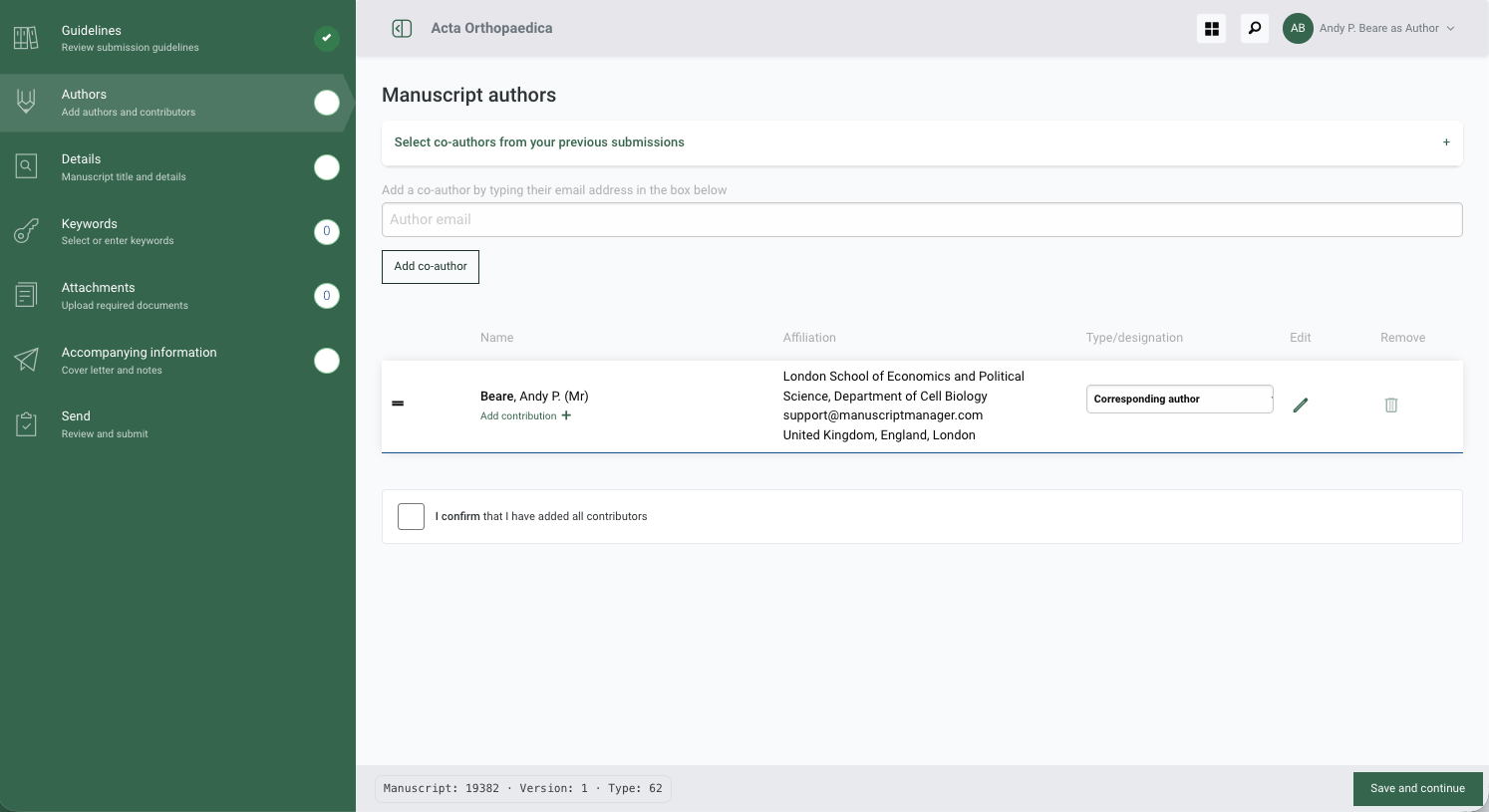
The screen this all happens on
Ready to run, and yours to adjust
PeerPath ships with every element already in place and working. Setting it up is a set of adjustments rather than a build, and the same adjustments stay open to you long after you have gone live.
The evaluation form
Your questions and your scales, different per article type
Confidentiality
Double blind, author blind or open, set for the journal
The review window
How long a reviewer gets, and what happens when it passes
Reminders
Timing, frequency and wording, all yours
Reviewer guidelines
The first thing they see, written by you
Automatic replacement
Whether a silent reviewer is quietly replaced, and after how long
Peer review runs on favours. An invitation that respects a reviewer's time is the cheapest retention work you will ever do.
Confidentiality level
What you are asking, in full, before they say yes
Wether you choose to run a double-blind, author-blind or an open review process, the reviewer and the author sees what they need.
| Confidentiality level | Double blind | Author blind | Open |
|---|---|---|---|
| You see the author's name and affiliation | No | Yes | Yes |
| The author sees your name | No | No | If the reviewer discloses it |
Files carrying the three designations on the right are excluded from your PDF automatically, whatever the author uploaded.
Four more experiences you are responsible for
Tell us what you review.
We will show you the workflow.
Send us your evaluation form and your review policy. We will show you the invitation your reviewers would receive.